Introduction
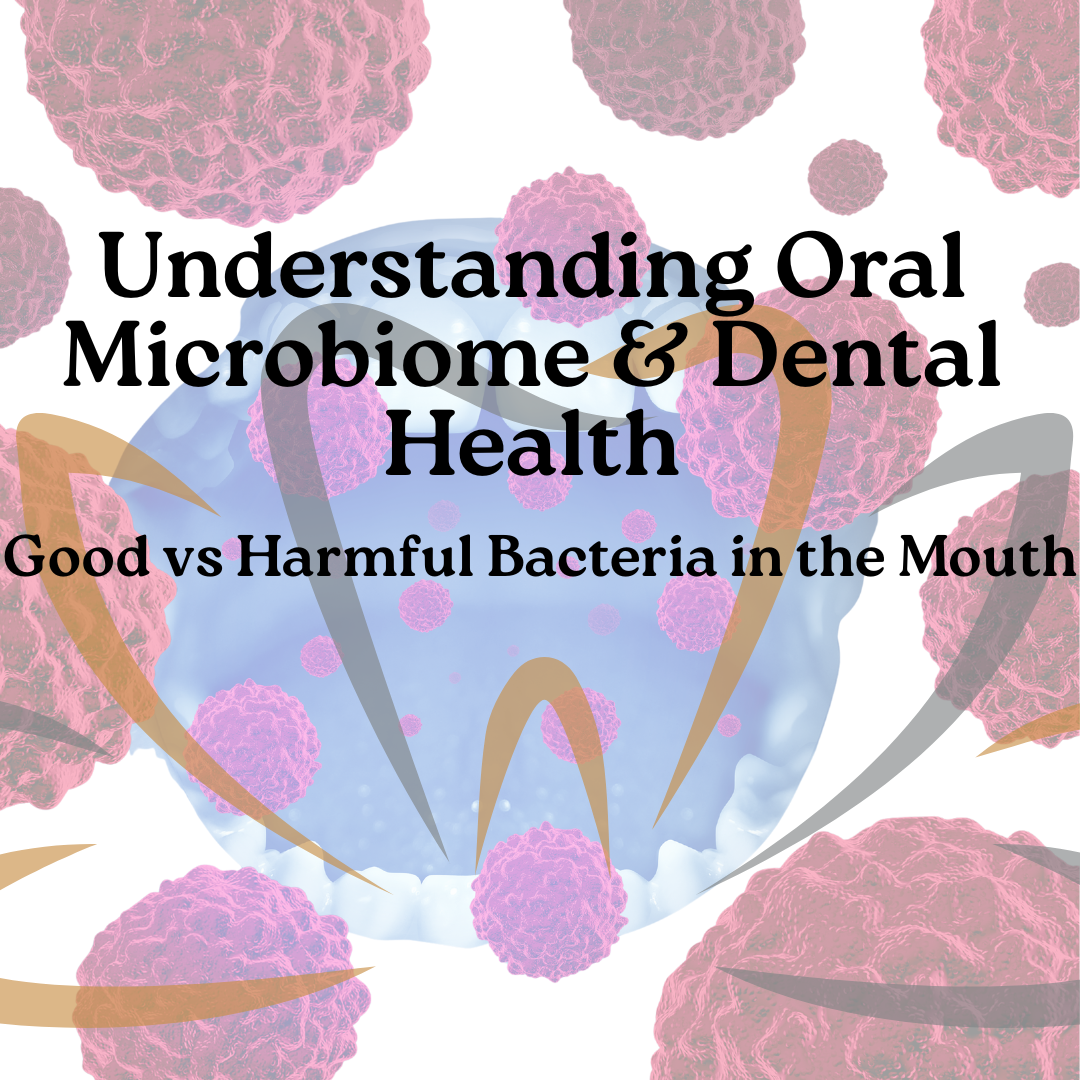
When we think about dental health, brushing and flossing usually come to mind. But modern research shows that oral health is not just about clean teeth — it’s about balance. Inside your mouth lives a complex ecosystem of bacteria known as the oral microbiome.
This bacterial community plays a critical role in gum health, tooth protection, digestion, and even overall wellness. When this balance is disturbed, dental problems often follow.
Recent research also highlights how gut health plays a major role in metabolism, influencing energy balance, fat storage, and long-term metabolic health.
What Is the Oral Microbiome?
The oral microbiome refers to trillions of microorganisms — both good and harmful — that live on your teeth, gums, tongue, and saliva.
In a healthy mouth:
- Beneficial bacteria help control harmful microbes
- Acids are neutralized
- Gums remain firm and non-inflamed
- Tooth enamel stays protected
Problems begin when harmful bacteria start dominating, usually due to lifestyle and age-related factors.
Why Oral Bacteria Balance Matters
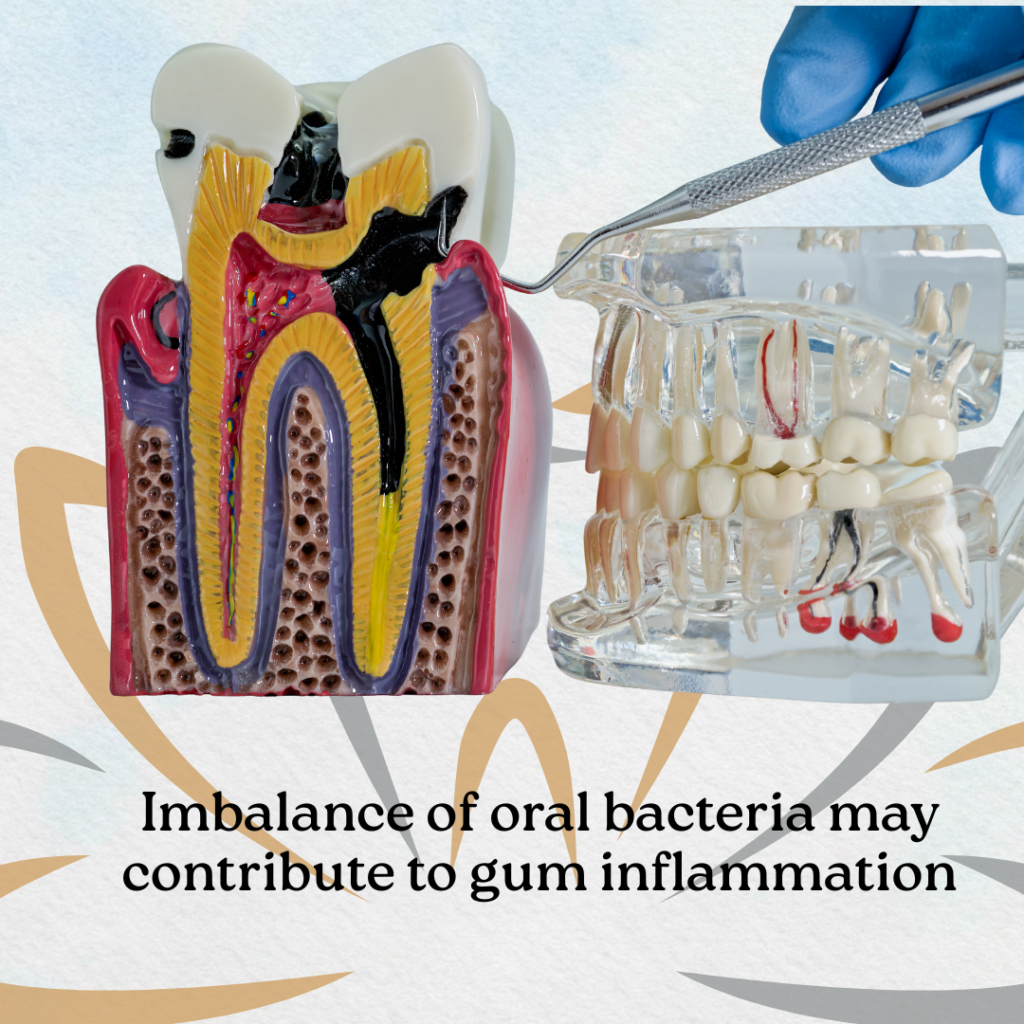
An imbalance in oral bacteria (also called oral dysbiosis) has been associated with:
- Gum inflammation and bleeding
- Plaque and tartar buildup
- Bad breath (halitosis)
- Tooth sensitivity and decay
- Increased risk of periodontal disease
Research also suggests that oral bacteria may influence digestive health, as saliva continuously carries microbes into the gut.
Common Causes of Oral Microbiome Imbalance
Several everyday factors can disrupt healthy mouth bacteria:
- High sugar and processed food intake
- Smoking or tobacco use
- Chronic stress
- Aging (reduced saliva production)
- Overuse of antiseptic mouthwashes
- Poor oral hygiene habits
As we age, maintaining bacterial balance becomes harder — which is why gum issues often increase after 40.
Signs Your Oral Microbiome May Be Disturbed
You may want to pay attention if you experience:
- Persistent bad breath despite brushing
- Frequent gum swelling or bleeding
- Plaque returning quickly after cleaning
- Dry mouth
- Receding gums
These signs do not always mean disease, but they often indicate bacterial imbalance.
The Role of Beneficial Oral Bacteria
Healthy oral bacteria are not enemies — they are protectors.
They help by:
- Competing with harmful microbes
- Supporting gum tissue health
- Maintaining healthy pH levels
- Reducing plaque formation
This understanding has led researchers to explore oral probiotics as a potential supportive approach for dental wellness.
Can Oral Probiotics Support Dental Health?
Oral probiotics are designed to introduce beneficial bacteria into the mouth environment.
According to scientific discussions, these friendly strains may help:
- Reduce harmful bacterial overgrowth
- Support gum health
- Improve breath freshness
- Maintain long-term oral balance
However, oral probiotics should be viewed as supportive tools, not replacements for brushing, flossing, or professional dental care.
Lifestyle Tips to Support a Healthy Oral Microbiome
You can naturally support your mouth bacteria balance by:
- Brushing twice daily with a gentle technique
- Flossing regularly
- Limiting sugary snacks and drinks
- Staying hydrated
- Avoiding excessive antibacterial mouthwash use
- Maintaining regular dental checkups
Consistency matters more than aggressive cleaning.
Evidence-Based Perspective
While individual ingredients and probiotic strains have been studied, results vary by person. Oral health depends on multiple factors including genetics, diet, habits, and age.
Always approach supplements and oral health solutions with realistic expectations and medical guidance when needed.
Learn More About Dental Probiotic Research
If you are interested in how oral probiotics are being discussed in the context of dental health, you can explore an evidence-based review here:
👉 ProDentim review from a scientific and educational perspective
https://uppathology.com/prodentim-review-2025-26/
Final Thoughts
Dental health is not just about fighting bacteria — it’s about supporting the right ones. Understanding the oral microbiome helps explain why gum and teeth problems can persist even with regular brushing.
A balanced approach that combines hygiene, lifestyle, and evidence-guided support offers the most sustainable path to long-term oral wellness.
Medical Disclaimer
This content is for educational purposes only and does not replace professional dental or medical advice. Always consult a qualified healthcare provider for diagnosis or treatment.