Schema Type: Article
Thank you for reading this post, don't forget to subscribe!Article Type: Blog Posting
Author: Drx. Prashant Kumar
Publisher: UPPathology
Learn why metabolism slows down after 40, how aging affects cellular energy, hormones & inflammation, and what science says about supporting metabolism naturally.
Introduction
Many adults notice a frustrating pattern after the age of 35–40:
weight gain becomes easier, while weight loss feels increasingly difficult — even with similar eating habits and daily activity.
This isn’t simply about “getting lazy” or eating too much.
Modern research shows that metabolic slowdown is strongly linked to changes happening inside our cells, especially in how the body produces and uses energy.
Understanding this biological shift is the first step toward making informed health decisions.
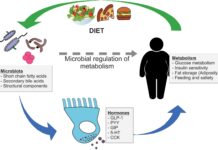
Recent research also highlights how gut health plays a major role in metabolism, influencing energy balance, fat storage, and long-term metabolic health.
What Is Metabolism, Really? (Beyond Calories)
Metabolism refers to the complex set of chemical reactions that convert food into energy.
It affects:
- How efficiently calories are burned
- How fat is stored or released
- Daily energy levels
- Blood sugar stability
While calorie intake matters, metabolism is not just about food quantity — it’s about how well the body processes that food.
Why Metabolism Slows With Age
Several age-related factors contribute to metabolic decline:
🔹 1. Mitochondrial Efficiency Drops
Mitochondria are often called the “power plants” of our cells. They convert nutrients into usable energy (ATP).
As we age:
- Mitochondria produce energy less efficiently
- Oxidative stress increases
- Fat-burning capacity decreases
This leads to lower energy output and higher fat storage.
🔹 2. Hormonal Changes
Hormones like insulin, cortisol, estrogen, and testosterone directly influence metabolism.
Age-related hormonal shifts can:
- Increase insulin resistance
- Promote abdominal fat storage
- Reduce lean muscle mass
🔹 3. Chronic Low-Grade Inflammation
Inflammation increases with age due to stress, poor sleep, processed foods, and environmental exposure.
Chronic inflammation is linked to:
- Slower metabolic rate
- Reduced mitochondrial function
- Increased fatigue
Lifestyle Factors That Make It Worse
Even small daily habits can accelerate metabolic slowdown:
- Poor sleep quality
- Sedentary routines
- Highly processed diets
- Chronic stress
These don’t just affect weight — they impact cellular energy production.
Can Metabolism Be Supported Naturally?
Research suggests metabolism support works best when multiple areas are addressed together:
✔ Balanced nutrition
✔ Strength + movement
✔ Stress regulation
✔ Antioxidant support
✔ Cellular (mitochondrial) health focus
Rather than extreme diets or stimulants, science increasingly points toward supporting cellular energy systems.
Where Supplements Fit In (Without Hype)
Some nutritional supplements are designed to support metabolic pathways and mitochondrial function using plant-based antioxidants and adaptogens.
However:
- Supplements are not magic solutions
- Ingredient quality and scientific rationale matter
- Expectations must remain realistic
For those interested, I’ve reviewed one metabolism-focused supplement in detail, strictly from an evidence and safety perspective — without promotional claims.
👉 Read the detailed, research-based review here:
https://uppathology.com/mitolyn-review-2025-26/
Final Thoughts
Metabolic slowdown is a biological process, not a personal failure.
Understanding the science behind energy production, aging, and inflammation empowers better decisions — whether lifestyle-based or supplement-supported.
Education always comes before action.
⚠️ Disclaimer
This article is for educational purposes only and does not replace medical advice. Always consult a qualified healthcare professional before making health-related decisions.