Author: Drx. Prashant Kumar
Category: Metabolic Health
Updated: 2026
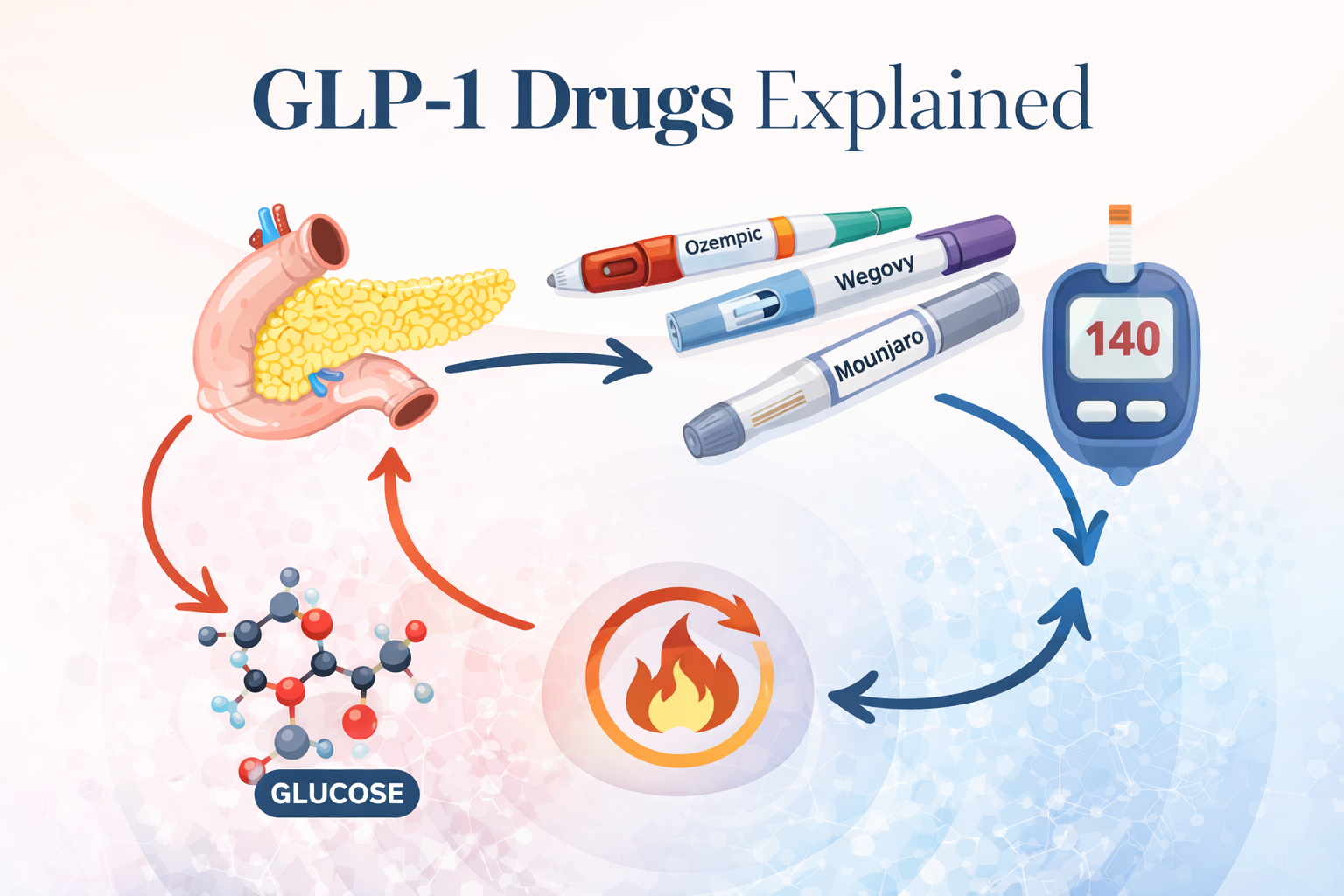
GLP-1 drugs explained have become one of the most discussed treatments for obesity and type-2 diabetes. Medications like Ozempic, Wegovy, and Mounjaro are widely prescribed to improve blood sugar control and promote weight loss.
But many people still ask key questions:
- How do GLP-1 drugs work in the body?
- Why do they reduce appetite?
- Are they safe long-term?
- And are there ways to support GLP-1 signaling naturally?
This guide GLP-1 drugs explained the science behind GLP-1, how these medications affect metabolism, and when natural metabolic support strategies may be useful.
What Is GLP-1 Drugs Explained?
GLP-1 (Glucagon-Like Peptide-1) is a hormone released from the intestine after eating.
Its role is to regulate metabolic balance by controlling:
- insulin release
- appetite signals
- digestion speed
- blood sugar levels
Because of these effects, GLP-1 has become a major therapeutic target for diabetes and obesity treatment.
How GLP-1 Works in the Body
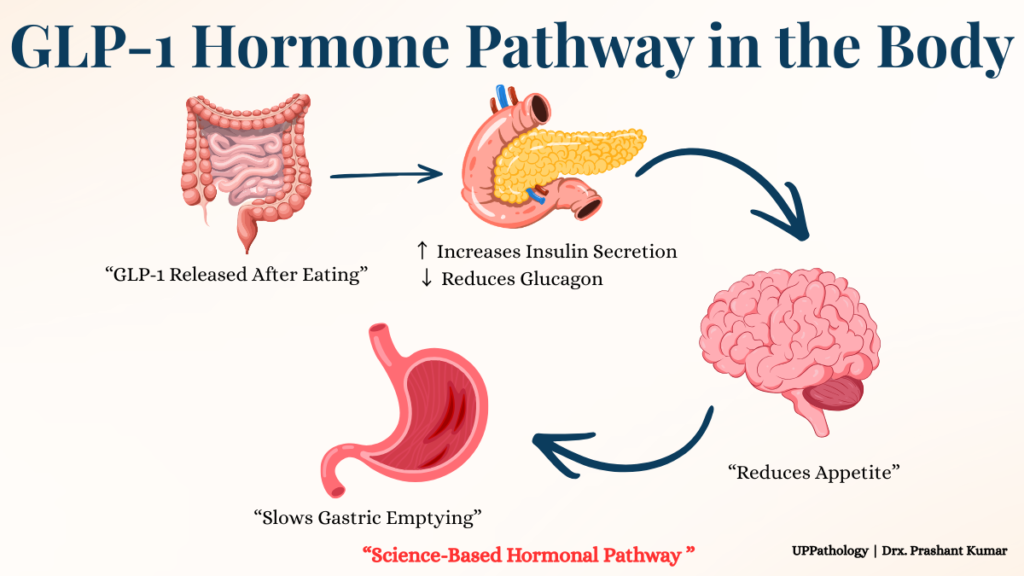
When you eat food, GLP-1 is released from the small intestine.
This hormone then triggers several important metabolic responses:
1️⃣ Stimulates insulin secretion
Helps move glucose from blood into cells.
2️⃣ Suppresses glucagon
Reduces glucose production from the liver.
3️⃣ Slows gastric emptying
Food stays longer in the stomach.
4️⃣ Signals the brain to reduce appetite
Together these mechanisms help regulate blood sugar and reduce calorie intake.
GLP-1 Drug Comparison (2026)
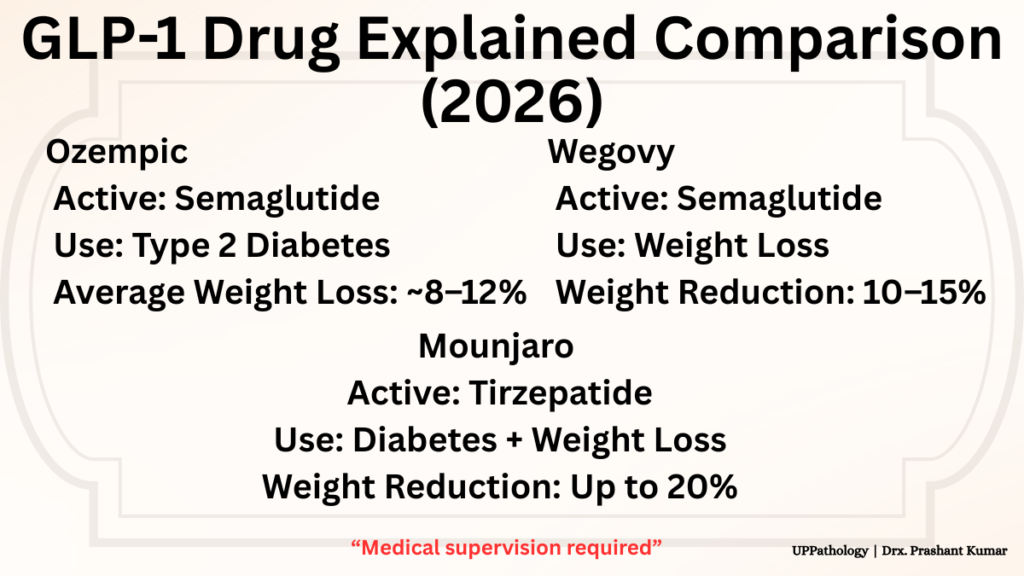
Several GLP-1 medications are currently used clinically.
| Drug | Active Ingredient | Primary Use | Average Weight Loss |
|---|---|---|---|
| Ozempic | Semaglutide | Type-2 Diabetes | 8-12% |
| Wegovy | Semaglutide (higher dose) | Weight Loss | 10-15% |
| Mounjaro | Tirzepatide | Diabetes + Weight Loss | Up to 20% |
These medications require medical supervision and are usually prescribed when lifestyle changes alone are insufficient.
GLP-1 and Insulin Resistance — The Missing Link
Insulin resistance is one of the key drivers of obesity and metabolic syndrome.
When cells become resistant to insulin:
- blood sugar rises
- fat storage increases
- hunger signals become stronger
GLP-1 drugs help break this cycle by improving insulin response and reducing appetite signals.
For many patients, this combined metabolic effect leads to gradual and sustainable weight reduction.
GLP-1 Drugs Explained: Benefits, Risks and Long-Term Safety
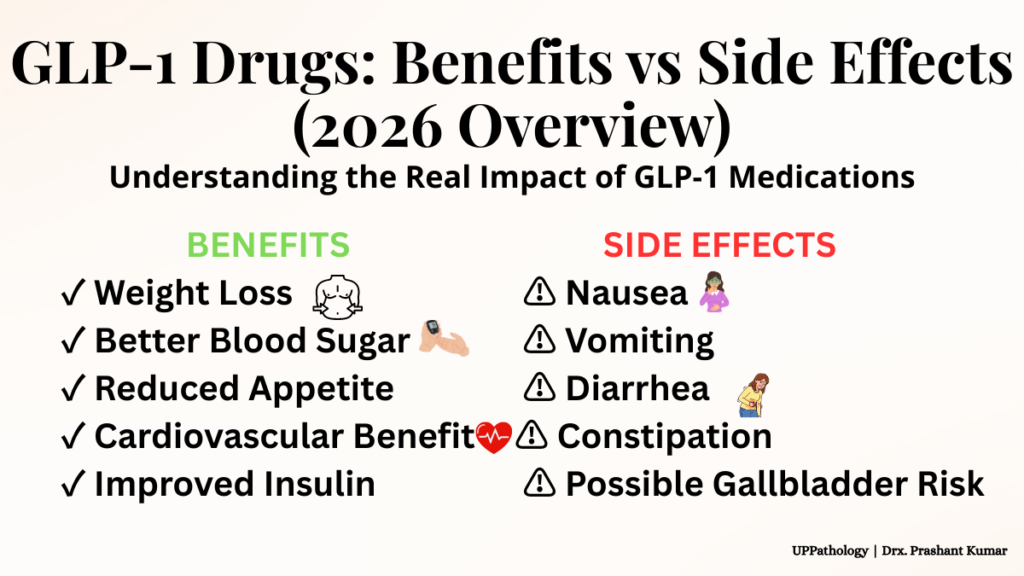
Like any medication, GLP-1 drugs have both benefits and potential side effects.
Key Benefits
- significant weight loss
- improved blood sugar control
- reduced appetite
- improved insulin sensitivity
Possible Side Effects
- nausea
- vomiting
- diarrhea
- constipation
- rare pancreatitis risk
These medications should always be used under physician supervision.
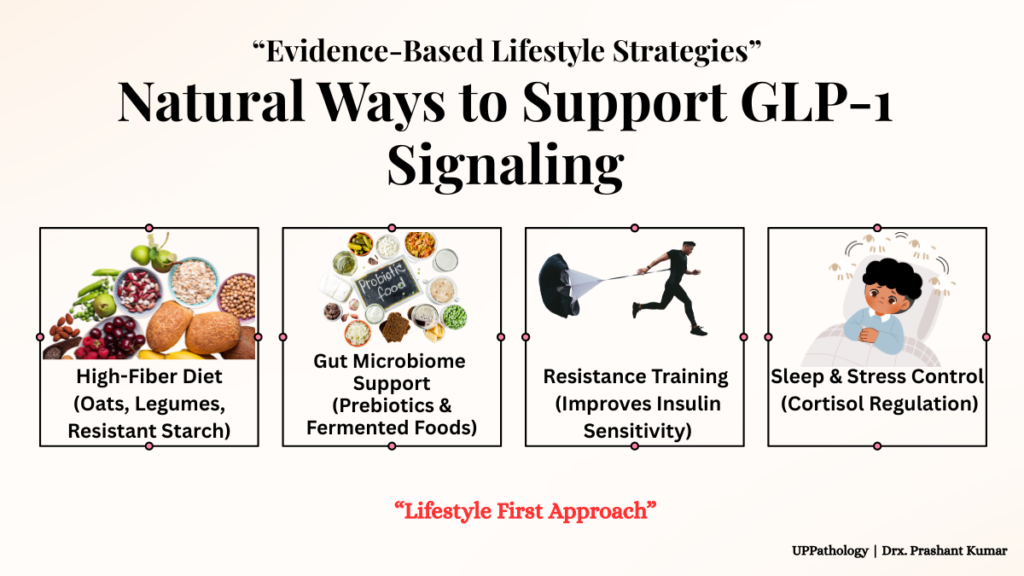
Natural Ways to Support GLP-1 Signaling
Lifestyle strategies can influence metabolic pathways related to GLP-1.
High-Fiber Diet
Foods like oats, legumes, and resistant starch may support gut hormone release.
Gut Microbiome Balance
Healthy gut bacteria influence metabolic signaling.
gut microbiome metabolic support
Resistance Training
Exercise improves insulin sensitivity and metabolic efficiency.
Sleep & Stress Control
Chronic stress increases cortisol and disrupts metabolic balance.
Natural Metabolic Support Strategies
Some individuals explore nutritional strategies that support gut and glucose regulation before considering prescription medication.
Examples include:
- gut microbiome support
- blood sugar stabilization
- appetite regulation
- blood sugar support strategies
Who Should Consider GLP-1 Therapy?
GLP-1 medications may be appropriate for people who:
- have obesity (BMI ≥ 30)
- have type-2 diabetes
- have metabolic syndrome
- cannot control weight through lifestyle changes alone
Medical consultation is essential before starting treatment.
Final Thoughts
GLP-1 medications represent one of the most important advances in metabolic medicine.
However, they are not the only approach to improving metabolic health.
Long-term metabolic balance still depends on:
- diet quality
- gut health
- physical activity
- sleep and stress management
Understanding these factors helps individuals make informed decisions about their health.
What do GLP-1 drugs do?
They mimic the GLP-1 hormone to regulate blood sugar, reduce appetite, and slow digestion.
Are GLP-1 drugs safe long term?
Current evidence supports safety under medical supervision, though monitoring is required.
Can natural methods increase GLP-1?
Lifestyle factors like fiber intake, gut microbiome balance, exercise, and sleep may support GLP-1 signaling.
Medical Disclaimer
The information provided on this website is for educational and informational purposes only and is not intended as medical advice. The content should not be used as a substitute for professional medical consultation, diagnosis, or treatment.
Always seek the advice of a qualified healthcare provider with any questions you may have regarding a medical condition, medication, or treatment. Never disregard professional medical advice or delay seeking it because of something you have read on this website.
UPPathology and its author, Drx. Prashant Kumar, do not assume responsibility for any actions taken based on the information provided on this site.