Discover how gut bacteria influence weight gain, belly fat, and metabolism. Learn the science behind gut microbiome balance and weight management.
Thank you for reading this post, don't forget to subscribe!Schema Type: Article
Article Type: Medical Scholarly Article
Author: Drx. Prashant Kumar
Publisher: UPPathology
Introduction
Weight loss is often blamed on calories, willpower, or exercise routines. But modern research suggests that your gut bacteria may play a much bigger role than previously thought.
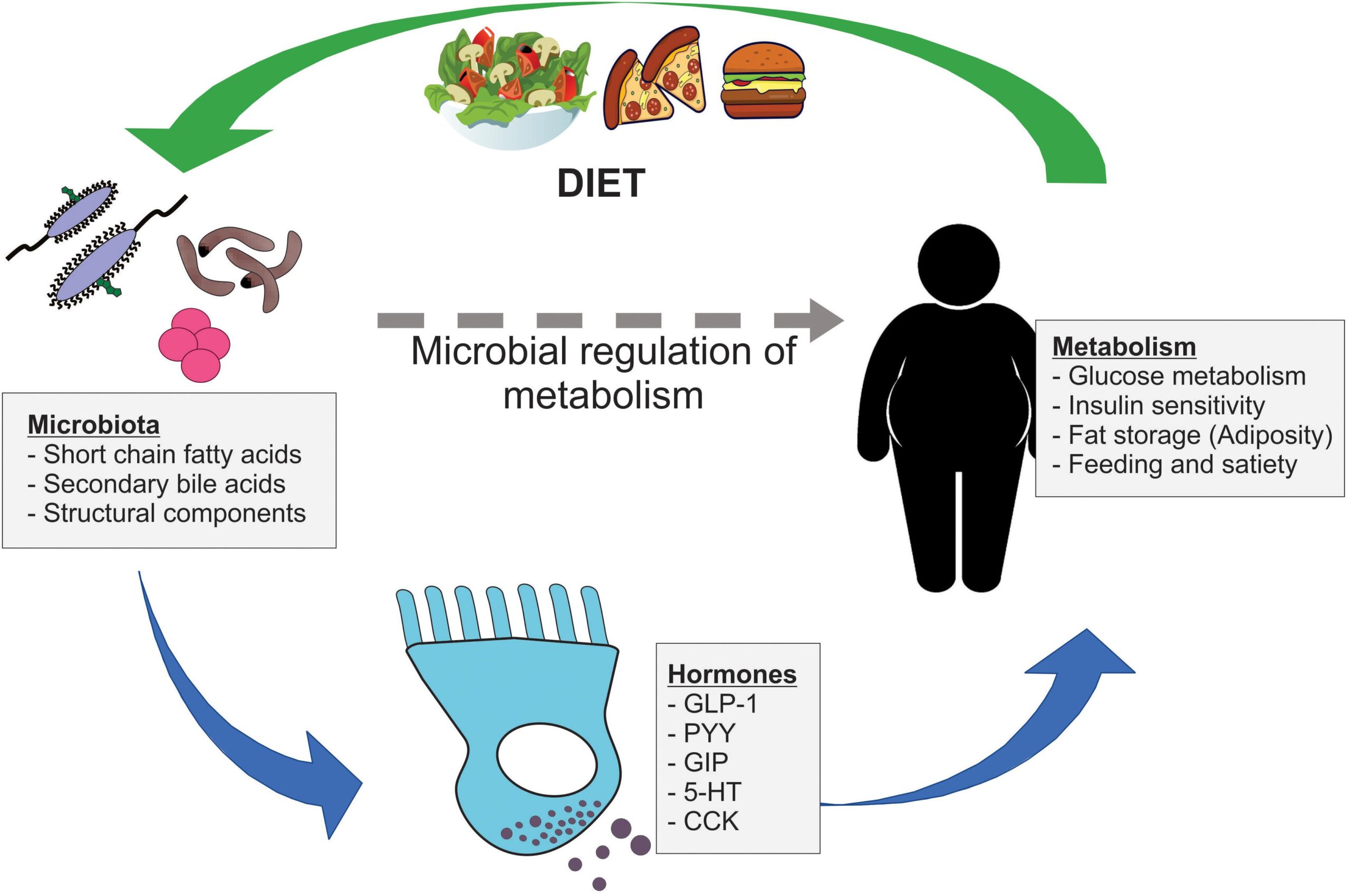
Inside your digestive system lives a vast ecosystem of microorganisms called the gut microbiome. These bacteria influence digestion, metabolism, appetite regulation, inflammation, and even how your body stores fat.
Understanding this connection helps explain why some people struggle with stubborn weight despite dieting and physical activity. Recent research also highlights how gut health plays a major role in metabolism, influencing energy balance, fat storage, and long-term metabolic health
What Is the Gut Microbiome?
The gut microbiome refers to trillions of bacteria living mainly in your intestines. These microbes help:
- Break down complex foods
- Extract energy from nutrients
- Regulate blood sugar
- Influence fat storage signals
- Support immune function
A balanced gut environment supports metabolic health, while imbalance can disrupt weight regulation.
How Gut Bacteria Affect Body Weight
Research indicates that gut bacteria may influence weight through several mechanisms:
- Energy extraction: Some bacteria extract more calories from food
- Fat storage signaling: Certain microbes affect how fat is stored
- Inflammation: Chronic low-grade inflammation can slow metabolism
- Hormone regulation: Gut bacteria influence hunger hormones like ghrelin
This explains why two people eating similar diets can experience very different weight outcomes.
Gut Dysbiosis and Stubborn Belly Fat
An imbalance of gut bacteria — known as gut dysbiosis — has been linked to:
- Increased abdominal fat
- Insulin resistance
- Slower metabolic rate
- Cravings for sugar and refined carbs
- Digestive discomfort
Belly fat in particular is associated with inflammatory signals influenced by gut microbes.
Common Causes of Gut Microbiome Imbalance
Several modern lifestyle factors disrupt healthy gut bacteria:
- Highly processed foods
- Excess sugar consumption
- Chronic stress
- Poor sleep quality
- Antibiotic overuse
- Sedentary lifestyle
As people age, gut diversity naturally declines, making weight management more challenging after 35–40.
The Role of Beneficial Gut Bacteria
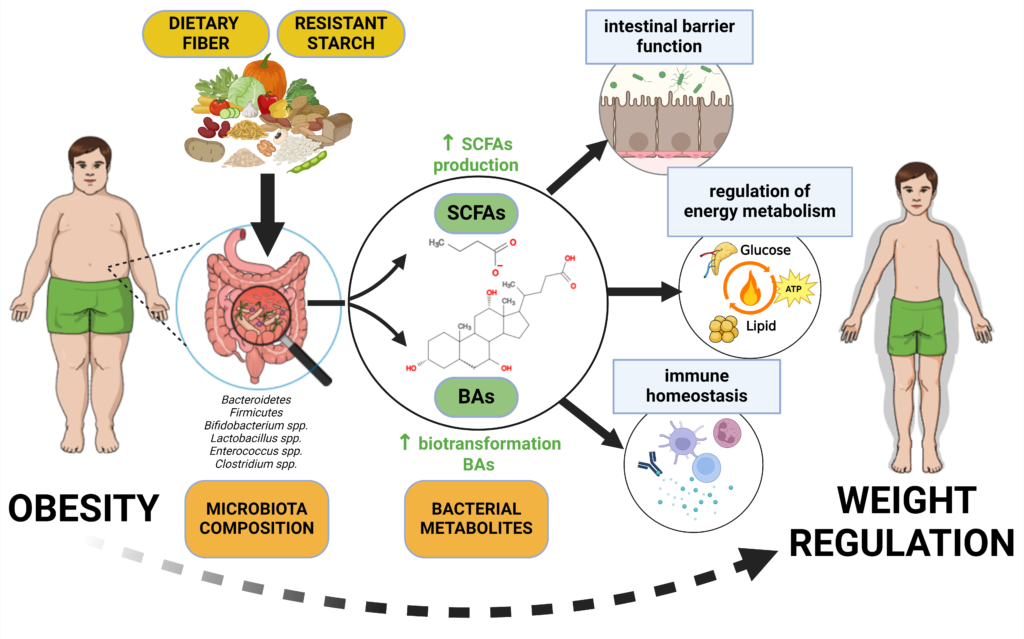
Healthy gut bacteria support metabolism by:
- Producing short-chain fatty acids that improve insulin sensitivity
- Reducing inflammation linked to fat storage
- Supporting nutrient absorption
- Helping regulate appetite signals
Because of this, scientists have studied probiotics and prebiotics as supportive tools for metabolic health.
Can Probiotics Support Weight Management?
Probiotics are live beneficial bacteria that may help restore gut balance. According to research discussions, certain probiotic strains may:
- Support healthier fat metabolism
- Reduce bloating and water retention
- Improve digestion
- Support metabolic flexibility
However, probiotics are not magic weight-loss solutions. Results depend on consistency, diet, lifestyle, and individual gut composition.
Evidence-Based Lifestyle Tips for Gut Health
To support a healthier gut environment naturally:
- Eat fiber-rich foods (vegetables, legumes, whole grains)
- Reduce ultra-processed foods
- Manage stress levels
- Prioritize sleep
- Stay hydrated
- Move regularly
These habits help beneficial bacteria thrive over time.
Scientific Perspective on Gut Health & Weight
While individual probiotic ingredients and bacterial strains have been studied, responses vary significantly between individuals. No supplement replaces long-term lifestyle habits.
Supplements should be viewed as supportive tools, not substitutes for healthy eating or medical guidance.
Learn More About Gut-Focused Weight Support
If you want to explore how gut health is being discussed in relation to modern weight management supplements, you may find this evidence-based review helpful:
👉 LeanBiome review focused on gut microbiome science
https://uppathology.com/leanbiome-review-2025-26/
Final Thoughts
Weight management is more than calories and workouts. Gut health plays a foundational role in how your body processes food, stores fat, and regulates appetite.
A balanced, bacteria-friendly approach offers a more sustainable and science-aligned perspective on long-term metabolic health.
Medical Disclaimer
This article is for educational purposes only and does not provide medical advice. Always consult a qualified healthcare professional before making dietary or supplement-related decisions.